By Shawn Riley
September 22, 2026
When a cooling system turns on, but the house still feels warm, the problem can be frustrating. You may hear the equipment operating and feel air through the vents, yet indoor temperatures continue to rise. Several issues can cause air conditioning equipment to run without providing enough cooling. Some involve airflow, while others involve refrigerant, controls, mechanical components, or the outdoor unit.
According to Mordor Intelligence, split systems accounted for a 36.92% revenue share of the U.S. HVAC market by equipment type in 2025. Regardless of the system installed, cooling problems deserve professional attention when normal operation does not produce comfortable temperatures.
Restricted Airflow Is Limiting Cooling Performance
Blocked Filters Are Reducing Air Movement
A cooling system depends on steady airflow to distribute conditioned air. When a filter becomes excessively restricted, the equipment may continue operating even though less air moves through the system.
Obstructed Vents Are Affecting Distribution
Air also needs a clear path into individual rooms. Furniture, rugs, or other objects can interfere with registers and returns. When several areas have restricted airflow, homeowners may notice uneven temperatures or assume their air conditioning has stopped cooling effectively.
Duct Problems Are Losing Conditioned Air
Ductwork carries cooled air between HVAC equipment and living spaces. Damage, disconnected sections, or leaks can allow conditioned air to escape before reaching its destination. Professional evaluation can determine whether ductwork is contributing to poor comfort.
Blower Problems Are Weakening Circulation
The blower moves conditioned air through the ductwork. If it is malfunctioning or performing below its intended capacity, airflow may feel noticeably weaker. Because several issues can create similar symptoms, professional diagnosis can identify where circulation is being compromised.
Refrigerant Problems Are Reducing Cooling Capacity
Low Refrigerant Is Affecting Heat Transfer
Refrigerant plays an essential role in cooling by absorbing and transferring heat. If the system does not have the appropriate refrigerant charge, it may continue running without removing enough heat from the home. This can result in extended operating cycles and uncomfortable indoor temperatures.
Leaks Are Creating Ongoing Problems
Refrigerant does not normally disappear simply because an HVAC system has operated for several years. A low level can indicate a leak or another condition requiring professional evaluation. A technician can inspect the air conditioning equipment to determine the underlying cause.
Frozen Coils Are Interfering With Operation
Airflow or refrigerant problems can sometimes contribute to ice forming on system components. A frozen coil interferes with effective heat transfer and can significantly reduce cooling performance. The equipment may continue operating while the home becomes increasingly uncomfortable.
Professional Testing Is Identifying the Cause
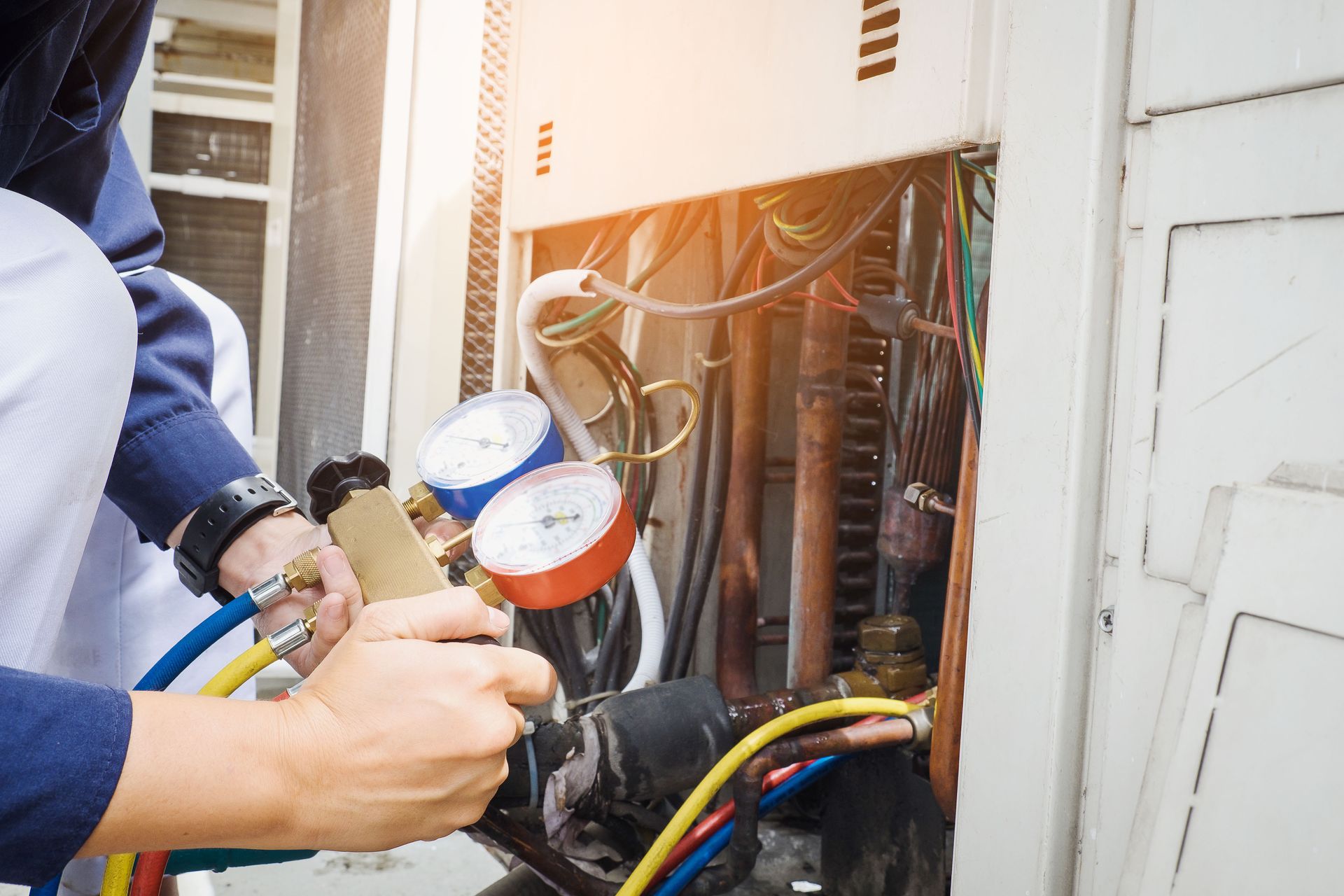
Refrigerant systems require specialized tools, knowledge, and handling. A professional technician can inspect operating conditions and determine whether refrigerant-related concerns are responsible for inadequate cooling. Accurate diagnosis helps avoid treating symptoms while leaving the actual problem unresolved.
Outdoor Unit Problems Are Preventing Heat Release
Coil Conditions Are Affecting Heat Transfer
The outdoor unit releases heat collected from inside the home. When its coil is excessively dirty or otherwise unable to transfer heat efficiently, system performance can decline. The equipment may appear to operate normally indoors while struggling to cool the house.
Fan Problems Are Limiting Outdoor Operation
The outdoor fan helps release heat. A malfunction involving the fan, motor, electrical components, or related equipment can interfere with this process. When the outdoor section of an air conditioning system is not operating correctly, professional assessment is important even if the indoor blower continues moving air.
Component Failures Are Interrupting Cooling
Cooling systems contain electrical and mechanical components that must work together. Capacitors, contactors, motors, compressors, wiring, and other parts can develop problems. A failure may leave portions of the equipment operating while preventing the complete cooling cycle from functioning correctly.
Professional Inspections Are Clarifying the Problem
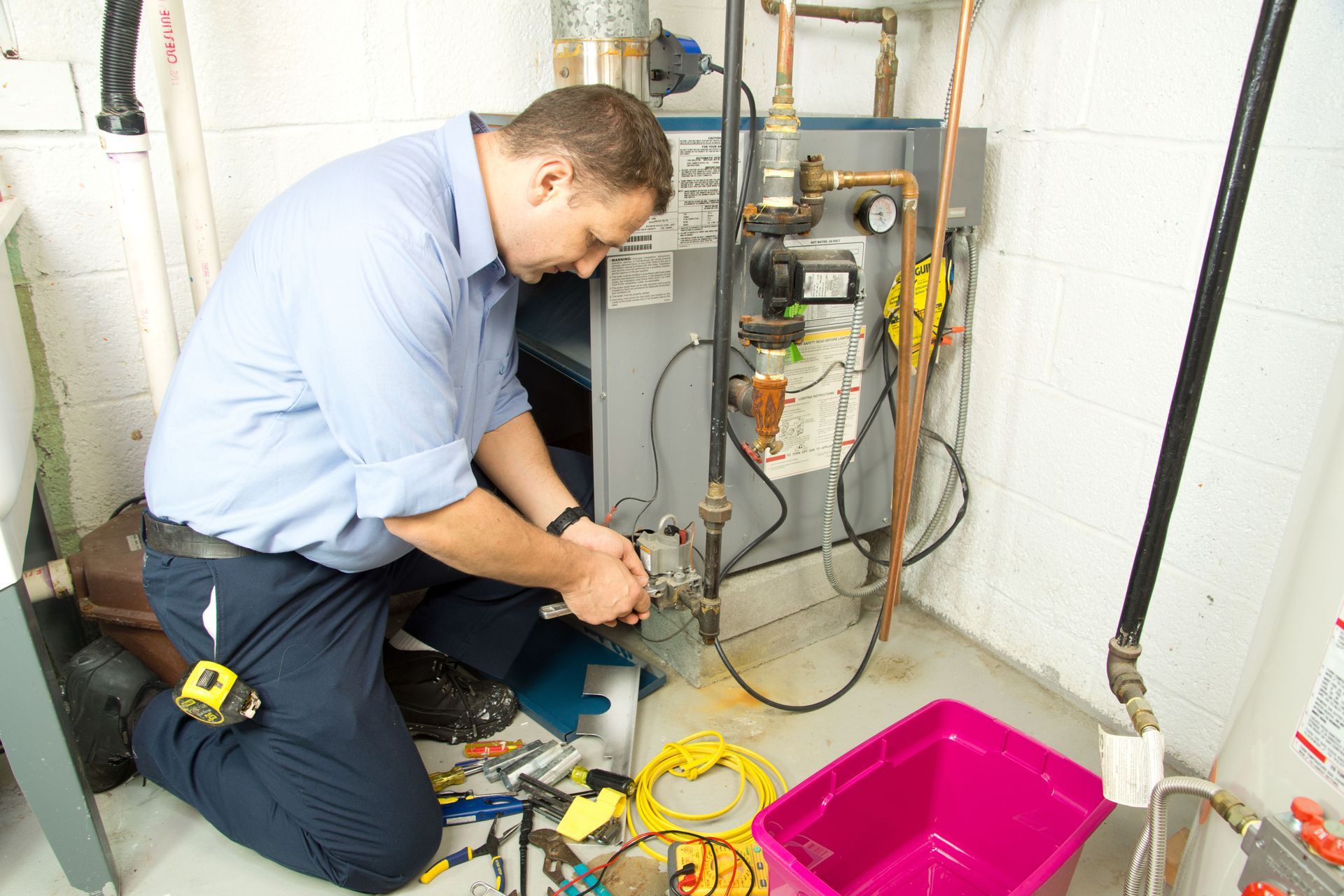
Hearing equipment run does not confirm that every component is operating properly. An HVAC technician can evaluate indoor and outdoor equipment, compare operating conditions, and identify abnormalities. This broader inspection is valuable when the source of inadequate cooling is not immediately obvious.
Thermostat Problems Are Sending Incorrect Signals
Temperature Readings Are Becoming Inaccurate
The thermostat serves as a central control for the cooling system. If it does not accurately measure indoor temperature, system operation may not correspond with actual conditions. Equipment could cycle at inappropriate times or fail to provide enough cooling for consistent comfort.
Control Settings Are Affecting Operation
Thermostat settings influence how HVAC equipment responds. Certain fan settings can make it seem as though the system is actively cooling whenever air moves through the vents. In some circumstances, however, the blower may operate even when active cooling is not occurring.
Control Connections Are Disrupting Communication
Thermostats depend on electrical connections and control signals to communicate with HVAC equipment. Problems in these components can interfere with normal operation. If an air conditioning system behaves unpredictably, professional troubleshooting can determine whether the controls are contributing to the issue.
System Diagnostics Are Confirming Communication
A technician can evaluate more than the thermostat display. Professional diagnostics can determine whether the thermostat, controls, and cooling equipment are communicating correctly. This can prevent unnecessary replacement of a control when another component is actually responsible.
Equipment Sizing Problems Are Affecting Home Comfort
Undersized Systems Are Struggling With Demand
A cooling system needs sufficient capacity for the home it serves. Undersized equipment may operate for long periods while struggling to reach the desired temperature, especially during hotter weather. Home size, insulation, windows, layout, and climate can all influence cooling requirements.
Oversized Systems Are Creating Different Concerns
Bigger equipment is not automatically better. An oversized system may cool certain areas quickly and cycle off before providing balanced comfort throughout the property. Equipment selection should be based on the home's actual requirements rather than assuming greater capacity produces better results.
Home Changes Are Altering Cooling Requirements
Additions, renovations, window replacements, insulation changes, and layout modifications can affect heating and cooling needs. Equipment that once performed adequately may face different conditions years later. A professional can determine whether property changes are influencing current air conditioning performance.
Load Evaluations Are Supporting Better Decisions
When system capacity appears to be a concern, professional evaluation provides more useful information than relying solely on equipment age or size. Understanding the home's cooling requirements can help determine whether poor performance stems from a repairable issue, system configuration, or improperly matched equipment.
Aging Components Are Causing Declining Performance
Wear Is Affecting Multiple Parts
Cooling equipment operates under significant demands during warm weather. Motors, electrical components, controls, and other parts experience wear over years of operation. Performance may decline gradually, allowing the system to continue running while providing noticeably less cooling.
Repeated Repairs Are Revealing Larger Concerns
An isolated repair does not necessarily mean an entire system is nearing the end of its useful life. However, repeated breakdowns or multiple declining components can indicate broader concerns. Professional service history provides useful context when deciding how to address recurring air conditioning problems.
Maintenance History Is Influencing Condition
Equipment condition depends on more than age. Usage, maintenance, operating environment, installation quality, and repair history can all influence performance. Two systems of the same age may therefore have very different conditions and remaining service expectations.
Professional Evaluation Is Guiding the Next Step
When cooling performance declines, a qualified HVAC professional can evaluate the complete system rather than making assumptions based on one symptom. Testing can clarify whether the appropriate solution involves repair, maintenance, airflow corrections, controls, or consideration of equipment replacement.
A cooling system that runs without making the home comfortable is signaling that something deserves attention. Restricted airflow, refrigerant concerns, outdoor equipment problems, thermostat issues, incorrect sizing, and aging components can all interfere with cooling. Because these conditions can produce similar symptoms, accurately identifying the cause is more useful than judging equipment solely by whether it turns on.
Prompt professional attention can also prevent an inefficient cooling problem from continuing through the hottest parts of the season. When air conditioning equipment must operate longer to compensate for an underlying issue, comfort can decline while the system experiences additional demand. A complete evaluation provides a clearer picture of equipment condition and the appropriate solution.
If your cooling system is running but your home still feels too warm, contact Consider it Done Home Services LLC today. Our team can evaluate your system, identify the source of the cooling problem, and recommend the professional service needed to restore dependable comfort throughout your home.